
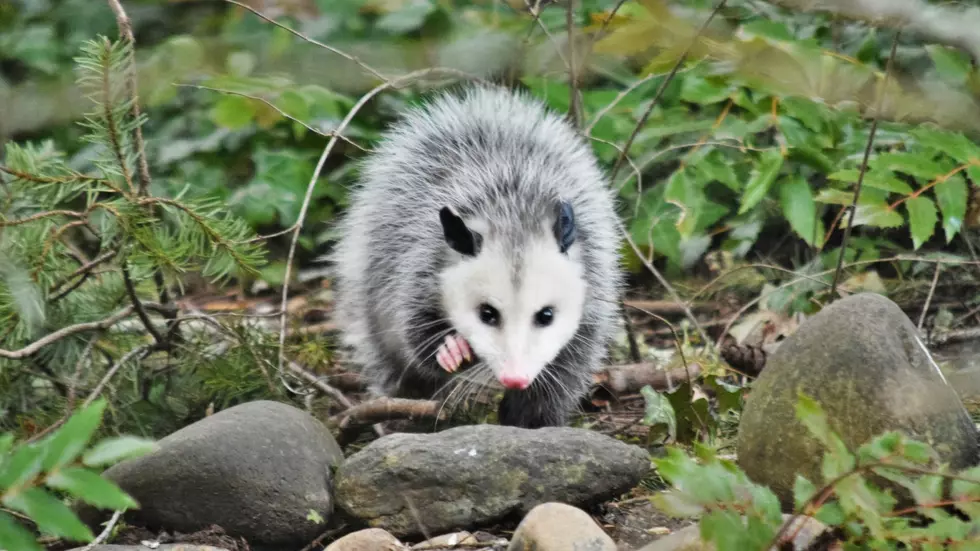
10 Cool Facts About Iowa’s Giant Yard Rat
Don't let my title fool you, I think these little guys are probably one of the coolest animals wandering around Iowa. However, you might not think that if you happen to catch one scurrying through your bushes at night. I was reminded of that last night while taking out the garbage.

For the past few years, an opossum has been wandering through the bushes along mine and my neighbors' houses after dark. I don't know if it is always the same opossum, but this guy is definitely no small animal. He is quite well fed, in fact. The first time I saw him, I actually said, and I quote, "Dang, that's a big ol' possum." He's probably filling up on cat food left out for the strays... Anyway, he startled me because, at first glance, he looked like an extremely overfed house cat. You know the type. My first thought was definitely that this guy shouldn't be in town. Aren't opossums supposed to be out in the country?
Then I remembered where I live. I'm about two blocks from open fields, and here in a small Iowa town like Cascade, city streets can turn into cornfields pretty quickly. So, I guess this opossum isn't exactly wandering into civilization. Civilization has simply been built right next to his dinner table, or at least has become where he finds an easy meal. That got me thinking. Is it actually a good thing to have an opossum hanging around your yard?
I've written about these strange little marsupials before, particularly when it comes to their reputation as tick-eating machines, and how that reputation is probably a lot more complicated. So today, instead of focusing on the great opossum tick debate, I thought I'd take a closer look at the animal itself. Because once you get past the naked tail, the strange face, the hissing and the general appearance of a creature that may have been assembled from leftover animal parts, the Virginia opossum is actually pretty cool.
Here are 10 cool facts about Iowa's giant yard rat.
1. It's America's Only Marsupial
The Virginia opossum is the only marsupial native to the United States and Canada. That means our Iowa backyard visitor is related to animals like kangaroos and koalas. Female opossums give birth to tiny, underdeveloped babies that crawl into their mother's pouch, where they develop and nurse.
Not exactly what you would expect from the weird gray animal digging around your garbage cans.
2. An Opossum Isn't Really a Possum
Well, technically. In North America, we commonly shorten "opossum" to "possum." But true possums are a completely different group of marsupials found primarily in Australia and nearby regions. So, the animal waddling through your Iowa bushes is an opossum, not an Australian possum.
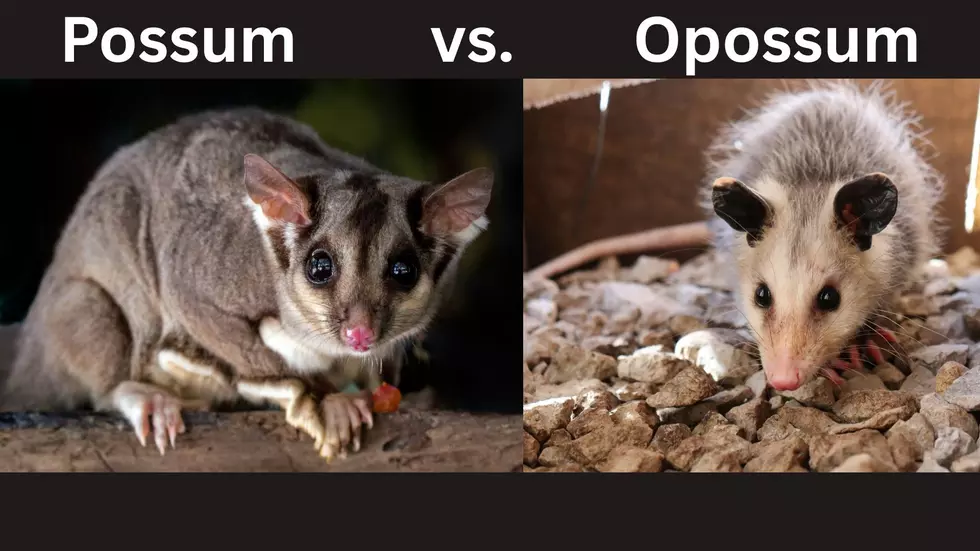
Of course, around here, we'll probably just keep calling it a 'possum anyway.
3. They Have 50 Teeth
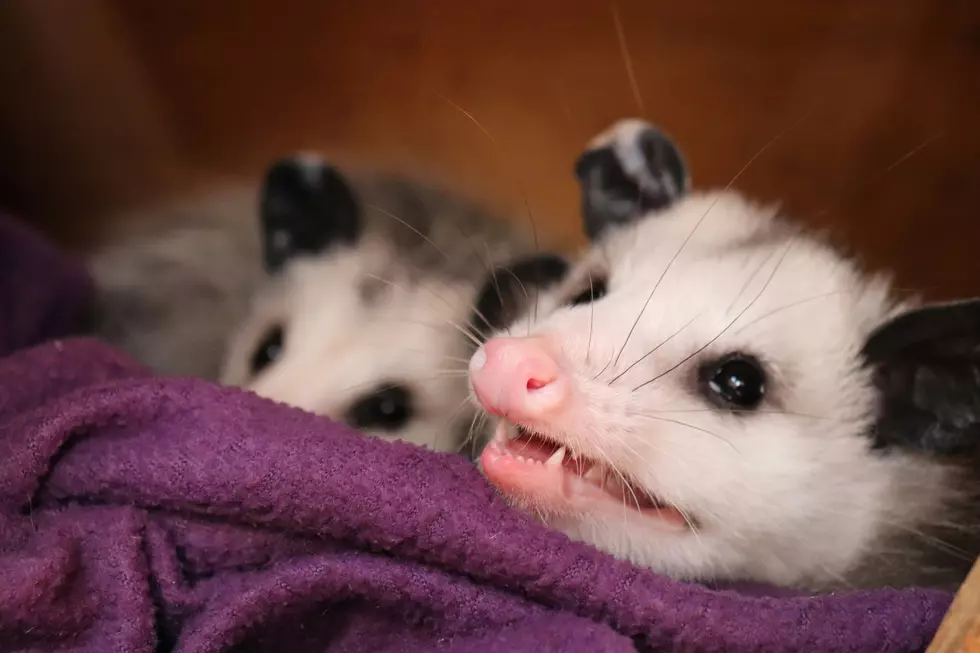
The Virginia opossum has 50 teeth, more than any other North American land mammal.
That's a lot of teeth for something that spends its nights eating bugs, fruit and whatever else it can find. And yes, those teeth can look pretty intimidating when an opossum feels threatened. But the impressive dental display is usually more of a warning than an invitation to fight.
4. Playing Possum Isn't Pretending
You've probably heard the expression "playing possum." When an opossum becomes extremely frightened, it can suddenly collapse, go limp, open its mouth, stick out its tongue, drool, and appear to be dead. The strange part is that the animal isn't actually pretending.
This is an involuntary response to extreme stress. The opossum can become unconscious and remain in that state for a surprisingly long time. So, if you see one lying motionless, don't immediately assume the worst. Give it some time and plenty of space.
5. That Weird Tail Has a Purpose
That long, mostly hairless tail might be one of the opossum's strangest features, but it is actually pretty useful. The Virginia opossum has a prehensile tail that can help it stabilize itself while climbing and moving through trees and bushes.
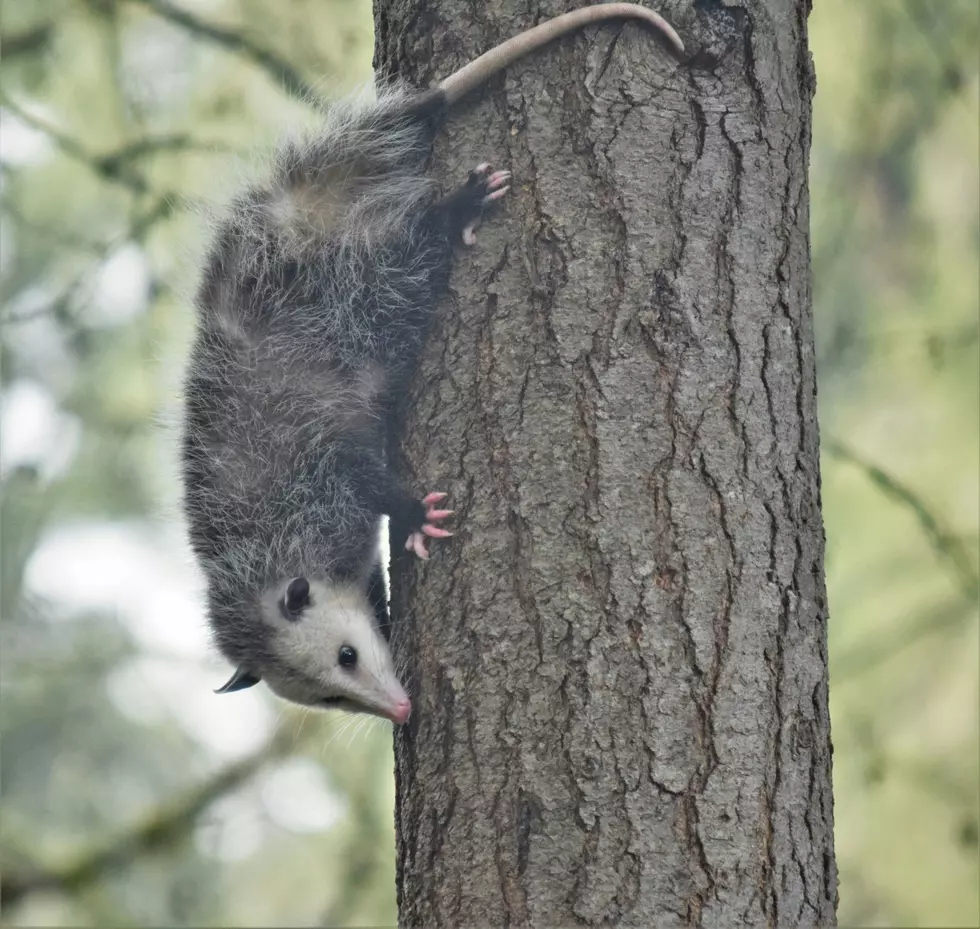
Young opossums can also use their tails to help hang onto things. And no, they don't sleep upside down from tree branches like cartoons sometimes suggest.
6. They Have Opposable Thumbs on Their Back Feet
If the tail wasn't strange enough, take a look at the back feet. Virginia opossums have opposable, clawless thumbs on their hind feet. Those unusual feet give them an extra advantage when climbing.
Between the prehensile tail and those opposable rear thumbs, the opossum is actually much better equipped for climbing than its awkward appearance would suggest.
7. They Can Handle Some Pretty Nasty Snake Venom
Opossums have a remarkable resistance to the venom of several species of venomous snakes. They aren't completely immune to snake venom, but they possess proteins in their blood that can help neutralize certain venom toxins. They will sometimes eat snakes, including some venomous species, when given the opportunity.
So, while your neighborhood opossum probably isn't out patrolling the yard looking for rattlesnakes, it does have a pretty impressive natural defense against one of nature's nastier weapons.
8. They Aren't the 5,000-Tick Vacuum Cleaner You May Have Heard About
This is the one I had to include because I've written about it before. You've probably heard that an opossum can eat as many as 5,000 ticks in a week. It is one of those wildlife facts that has been repeated so many times that it sounds like common knowledge. The problem is that the science doesn't really back up the idea that wild opossums are wandering around the countryside eating thousands of ticks every week.
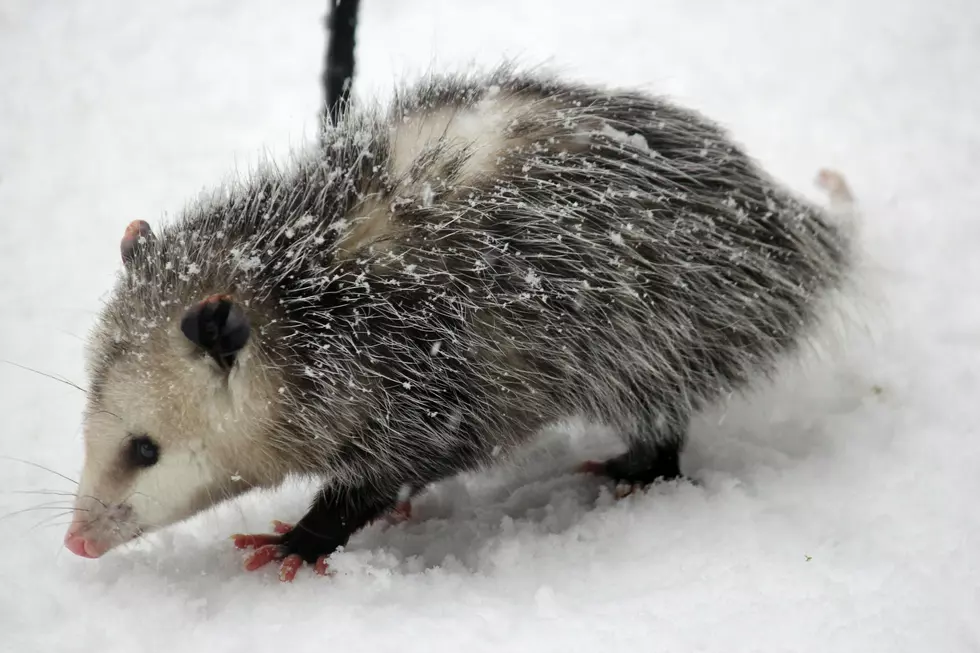
A 2021 study examining the stomach contents of wild Virginia opossums found no ticks. That doesn't mean opossums never consume ticks. The reason they would consume ticks is because they are fairly clean animals, in the regard that they are excellent groomers. They will eat ticks that attach themselves to their bodies. But the idea that every opossum is out there vacuuming up thousands of ticks is probably more myth than reality. So, unfortunately, our giant yard rat isn't quite the tick Terminator we once thought it was, but they do help.
9. They Are Pretty Good Cleanup Crews
This is where that opossum wandering around my neighborhood starts to look like a pretty useful neighbor. Opossums are opportunistic omnivores, which means they aren't particularly picky eaters. They will eat insects, slugs, snails, carrion (yup dead things), fallen fruit, plants and basically whatever they can find.
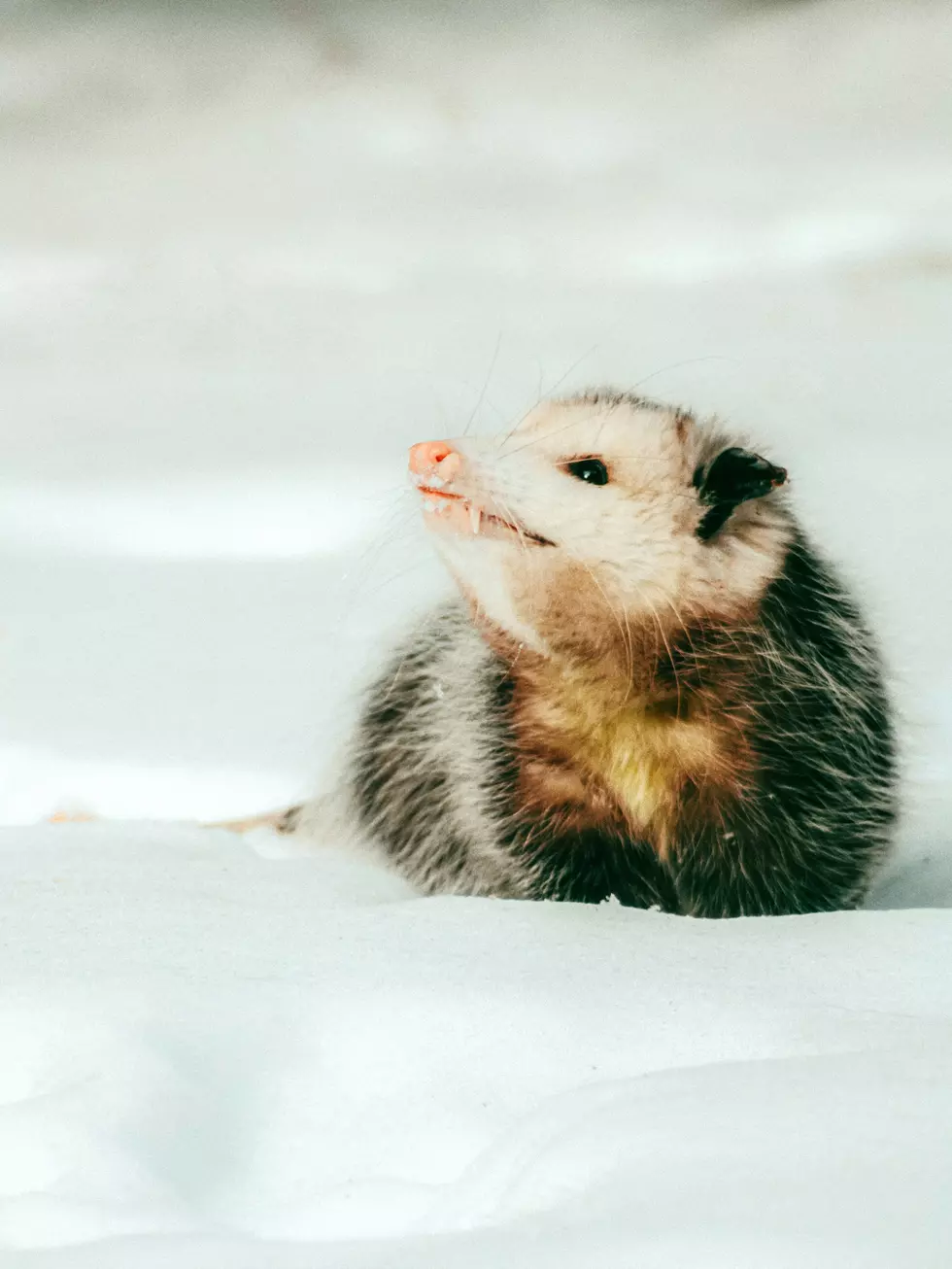
They can also eat small rodents, frogs, birds, eggs and even snakes. So that animal rummaging around your yard at two in the morning may not be there to cause trouble. It might simply be looking for dinner while doing a little unpaid cleanup work along the way.
10. They Probably Want Nothing to Do With You
This might be the most important fact of all. Despite the hissing, growling, teeth-baring and general appearance of something that should probably be avoided, Virginia opossums are generally nonaggressive animals. To go with that non-aggression, they are unlikely to ever have rabies, in fact it's highly unlikely.
If threatened, they would much rather run away than fight or simply play dead. That being said, if cornered they can defend themselves. That is why it is a good idea to keep dogs and cats away if you find one in your yard. For the most part, though, an opossum passing through your yard is just doing what opossums do. It is looking for food, exploring its territory and trying to avoid becoming somebody else's dinner.
Which brings us back to my unexpected visitor.
After looking into these animals again, I have to admit that I haven't changed my opinion one little bit. I still don't particularly enjoy being surprised by what appears to be a 15-pound house cat lurking beside my garbage cans at night. But I also don't mind if he sneaks around from time to time. In fact, there may be some real benefits.
Opossums are quiet, mostly solitary animals that spend their nights searching for food. They aren't looking to pick a fight with your dog, take over your yard or terrorize the neighborhood. They are simply trying to survive.
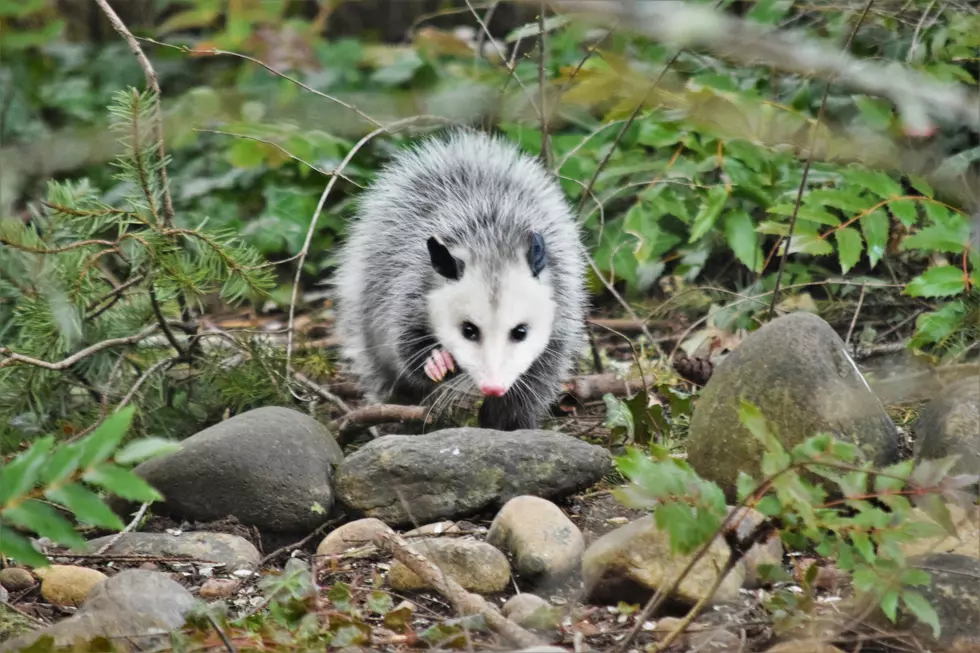
Considering how much wildlife has to deal with us humans, our cars, our roads, our pets and our expanding housing, I suppose we can all tolerate an opossum wandering through the bushes every now and then. Besides, in my town of Cascade, we're only a couple of blocks from the fields. For all I know, that big ole' possum thinks I'm the one living in his backyard.
LOOK: 11 tick-borne illnesses and what to watch out for during your outdoor adventures
Gallery Credit: Martha Sandoval
LOOK: Stunning animal photos from around the world
Gallery Credit: Nicole Caldwell


